

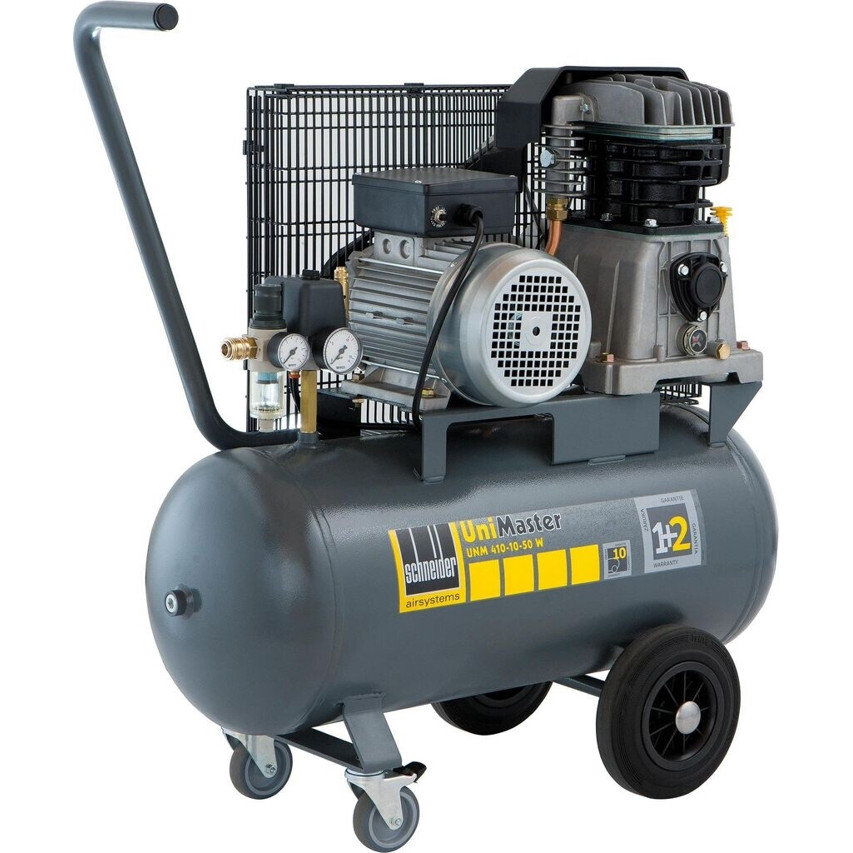
Druckluft Kompressor 10 Bar
Add a review FollowOverview
-
Sectors Science
-
Posted Jobs 0
-
Viewed 3
Company Description
Five Killer Quora Answers To Buy A Sander For Wood
Buy A Sander for Wood: Your Comprehensive Guide
When it comes to woodworking, achieving a smooth and polished surface area can make or break a job. Whether you’re a novice or an experienced artisan, having the right tools is important for success– and one of the most important tools in any woodworker’s arsenal is a sander. This guide will dive into the different types of sanders available, what to consider before acquiring one, and a detailed FAQ area to help you make a notified choice.
Types of Sanders
Before choosing a sander, it’s crucial to understand the various types available and how each serves different functions. Below is a table that sums up the most common types of sanders utilized for woodworking.
| Type of Sander | Best For | Secret Features |
|---|---|---|
| Belt Sander | Heavy stock removal | High power, constant belt |
| Orbital Sander | General sanding and ending up | Round pad, random orbit movement |
| Information Sander | Tight areas and elaborate work | Compact size, pointed tip |
| Rotary Sander | High-speed sanding and polishing | Round pad, variable speed options |
| Palm Sander | Light sanding and finishing | Compact, easy to control |
1. Belt Sander
Best for: Heavy stock elimination, such as getting rid of old paint or smoothing rough lumber.
Secret functions: A belt sander is powerful and Exzenterschleifer Kaufen quickly; its constant belt enables fast product elimination, making it appropriate for bigger surface areas. While it can be aggressive, users require to control it carefully to avoid gouging the wood.
2. Orbital Sander
Best for: General sanding and completing tasks.
Secret features: This sander operates using a round pad that moves in a random orbit, which assists produce a smooth surface without leaving swirl marks. It’s flexible and perfect for completing work.
3. Detail Sander
Best for: Tight areas and elaborate work.
Secret functions: With its pointed tip, a detail sander master reaching corners and elaborate designs. It’s lightweight and easy to deal with, making it perfect for delicate tasks.
4. Rotary Sander
Best for: High-speed sanding and polishing.
Secret functions: This kind of sander uses a round sanding pad that rotates at high speeds. Rotary sanders are ideal for accomplishing high-gloss finishes and can be used on different materials, consisting of wood.
5. Palm Sander
Best for: Light sanding and completing.
Secret features: A palm sander is a compact tool that fits easily in hand. It’s less aggressive than other sanders and is best for smoothing surface areas and light sanding work.
Aspects to Consider When Buying a Sander
Choosing the best sander includes more than simply comprehending the types; several essential elements need to help assist your choice. The table below highlights these essential factors.
| Factor | Description |
|---|---|
| Power Source | Corded vs. cordless; think about battery life and efficiency. |
| Weight | Lighter sanders are much easier to deal with, but weight can include stability. |
| Speed Settings | Variable speed choices improve adaptability for different jobs. |
| Dust Collection | Integrated dust collection systems can keep your office tidy. |
| Ergonomic Design | Search for convenience in grip and ease of usage to decrease fatigue throughout extended usage. |
| Price Range | Set a budget; keep in mind that higher-priced models typically come with much better toughness and features. |
1. Power Source
Sanders can be corded or battery-operated. Corded designs offer constant power, making them perfect for heavy use; however, they may limit movement. Cordless models are easier for portability however must be looked for battery life.
2. Weight
A lighter sander is typically easier to manage, making it less fatiguing throughout extended tasks. Nevertheless, much heavier designs may offer much better control for bigger surface areas if stability is needed.
3. Speed Settings
Variable speed settings are vital for adaptability. Different materials need various speeds: fragile woods might require lower speeds, while rough surface areas can gain from greater speeds.
4. Dust Collection
Dust is a major concern when sanding, as it can mess your workspace and hinder visibility. Some designs include built-in dust collection systems, which successfully reduce dust and keep your workspace tidy.
5. Ergonomic Design
To make the most of convenience, search for sanders with ergonomic grips developed to minimize tiredness, especially during prolonged sessions. A comfy grip can substantially enhance user experience.
6. Price Range
Sander prices can vary extensively depending upon features and brand name. While buying a more pricey model may seem challenging, it’s vital to consider toughness and additional functions that can eventually enhance performance and results.
How to Choose the Right Sander
- Evaluate Your Needs: Determine the types of jobs you’ll carry out. Bigger refurbishment tasks may need a belt sander, whereas artisanal projects might take advantage of a detail sander.
- Winkelschleifer Set Günstig a Budget: Electrical tools can be a long-term financial investment. Think about how frequently you will utilize the sander and assign a budget plan accordingly.
- Read Reviews: Consult evaluations and ratings from other users. Experience can provide insights into the tool’s efficiency and sturdiness.
- Akku Schlagschrauber Für Kfz Mit Hohem Drehmoment Test Before Buying: If possible, try out the sander to determine how comfortable it is to handle, along with its total efficiency.
Frequently Asked Questions
Q1: What is the difference in between an orbital sander and a palm sander?
An orbital sander is usually used for more comprehensive tasks and supplies a smoother finish, while a palm sander is smaller sized and Schleifmaschine Für Metall developed for light sanding and completing work.
Q2: Can I utilize a belt sander to end up wood?
While a belt sander is great for heavy material removal, it may not supply the very best finish due to its aggressive nature. It is best used for initial sanding stages.
Q3: Should I be concerned about dust when sanding?
Yes! Dust created throughout sanding can posture health risks and produce a mess in your office. Selecting a sander with great dust collection features is smart.
Q4: Are cordless sanders worth it?
Cordless sanders offer versatility and mobility, which can be helpful in a work space without easy access to power outlets. Nevertheless, think about the battery life-span and how typically you require to charge.
Q5: What grit sandpaper should I use with my sander?
The grit of sandpaper depends on the job. Coarse grits (40-60) are used for heavy product removal, while finer grits (120-220) are perfect for completing work.
Purchasing a sander can considerably boost your woodworking tasks, permitting cleaner surfaces and higher effectiveness. By comprehending the kinds of sanders available, considering your specific requirements, and evaluating essential functions, you can make an educated decision that meets your task requirements. Whether you select a durable belt sander or a precision-driven detail sander, the best tool can make all the difference in your woodworking ventures.