

Hob Extractor Fan
Add a review FollowOverview
-
Sectors Operations
-
Posted Jobs 0
-
Viewed 3
Company Description
The 10 Most Terrifying Things About Kitchen Hood
The Essential Guide to Kitchen Hoods: Elevating Your Culinary Experience
A well-ventilated kitchen is important for developing a pleasant cooking environment. Among the most reliable tools for accomplishing this is a kitchen hood. Frequently overlooked, the kitchen hood is a necessary appliance designed to eliminate smoke, steam, and odors from your culinary area. This guide will explore the significance of kitchen hoods, their numerous types, how to choose the best one, and answers to frequently asked concerns.
Tabulation
- Importance of Kitchen Hoods
- Types of Kitchen Hoods
- 2.1 Under-Cabinet Hoods
- 2.2 Wall-Mounted Hoods
- 2.3 Island Hoods
- 2.4 Downdraft Hoods
- 2.5 Range Hoods
- Picking the Right Kitchen Hood
- 3.1 Size
- 3.2 Airflow
- 3.3 Noise Level
- 3.4 Style
- Setup Tips
- Upkeep of Kitchen Hoods
- FREQUENTLY ASKED QUESTION
- Conclusion
1. Value of Kitchen Hoods
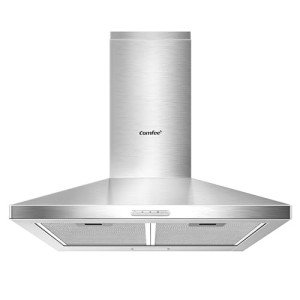
Kitchen hoods play an important role in maintaining air quality and kitchen hygiene. Here are some key benefits:
- Odor Removal: Cooking can develop strong odors, which kitchen hoods can efficiently remove.
- Smoke Filtration: Hoods can filter smoke from frying and barbecuing activities, lowering irritation and keeping your kitchen fresh.
- Heat Regulation: By getting rid of hot air from cooking surface areas, hoods assist keep a comfortable kitchen temperature.
- Condensation Control: Kitchen hoods lower wetness levels, avoiding mold growth and damage to kitchen surfaces.
2. Kinds Of Kitchen Hoods
Comprehending the various types of kitchen hoods can assist homeowners make notified decisions. Below is a table summing up each type’s characteristics, advantages, and suitability.
| Type | Description | Advantages | Best For |
|---|---|---|---|
| Under-Cabinet Hoods | Installed under cabinetry, straight over the stove. | Space-saving, simple setup. | Smaller sized kitchens |
| Wall-Mounted Hoods | Installed on a wall above the range or cooktop. | Trendy styles, perfect for open areas. | Devoted cooking locations |
| Island Hoods | Suspended from the ceiling above an island cooktop. | Uses a statement piece, good airflow. | Kitchen islands |
| Downdraft Hoods | Retractable hoods that turn up when required. | Discreet style, perfect for minimalists. | Modern, streamlined kitchens |
| Range Hoods | Integrated with the cooking surface. | Extremely effective, effective suction. | Professional setups |
3. Choosing the Right Kitchen Hood
Choosing the best kitchen hood is crucial for functionality and style. The list below elements should be thought about:
3.1 Size
The size of the kitchen hood need to match the cooking surface area’s dimensions. Preferably, the hood must be at least 3 inches wider on each side than the stove or range.
3.2 Airflow
Air flow, determined in cubic feet per minute (CFM), is a vital consideration. A higher CFM shows greater ventilation power. As a general general rule:
- For gas varieties: 100 CFM for every single 10,000 BTU.
- For electric varieties: 1 CFM for every single 100 watts of cooking power.
3.3 Noise Level
The noise level of a kitchen hood is determined in sones or decibels (dB). Hoods with lower sones or decibel rankings (listed below 4 sones or 60 dB) are quieter and more preferable for residential settings.
3.4 Style
Consider the overall aesthetic of your kitchen when selecting a hood. From modern stainless steel to traditional styles, the style ought to match the kitchen cabinetry and home appliances.
4. Installation Tips
Installing a kitchen hood can be a complex task, typically requiring professional help. However, here are some basic suggestions for picking a set up place:
- Keep the hood 24 to 36 inches above the cooking surface.
- Guarantee there is appropriate ductwork to tire air exterior.
- Follow local building regulations and regulations.
5. Upkeep of Kitchen Hoods
Routine upkeep is crucial for making sure the efficient operation of kitchen hoods. Follow these pointers for maintenance:
- Clean Filters: Depending on use, filters should be cleaned up or changed every 1-3 months.
- Clean Down Surfaces: Regularly wipe down the exterior of the hood with a soft cloth and mild cleaner to get rid of grease and grime.
- Check for Damage: Periodically look for any wear and tear to guarantee effective ventilation.
6. FAQ
Q1: How typically should I clean my kitchen hood?
A: Ideally every 1-3 months, depending upon your cooking frequency.
Q2: What is the best kind of hood for a small kitchen?
A: An under-cabinet hood is usually best for smaller sized areas.
Q3: Can I install a kitchen hood myself?
A: While some might choose DIY setup, it’s often best to seek advice from a professional, particularly for ductwork.
Q4: What is the average life-span of a kitchen hood?
A: Kitchen hoods can last anywhere from 10 to 15 years with correct upkeep.
Q5: Are ductless hoods reliable?
A: Ductless hoods can be useful for odor absorption but might not get rid of heat and wetness as efficiently as ducted systems.
7. Conclusion
A Kitchen Hood (Www.derrickleezer.top) is an important addition to any cooking area, contributing to air quality, security, and visual appeal. With various types and features offered, homeowners can choose the ideal kitchen hood to fit their particular requirements. By understanding the significance of kitchen hoods, selecting the best model, and following best practices for installation and maintenance, one can substantially enhance their culinary experience. Purchasing a quality kitchen hood is not simply a useful choice; it’s an action towards producing a much healthier and more pleasurable cooking environment.