

Range Hood
Add a review FollowOverview
-
Sectors Inventory/Warehousing
-
Posted Jobs 0
-
Viewed 5
Company Description
The Most Pervasive Issues With Kitchen Hood
Kitchen Hood Extractor Fan: An Essential Appliance for Modern Cooking
In the heart of every home lies the kitchen, a place where culinary creativity flourishes, and scrumptious fragrances penetrate the air. However, with deliciousness frequently comes the difficulty of smoke, grease, and unwanted smells. This is where the kitchen hood extractor fan enters into play– an essential appliance designed to ensure your cooking environment remains fresh and enjoyable.
What Is a Kitchen Hood Extractor Fan?
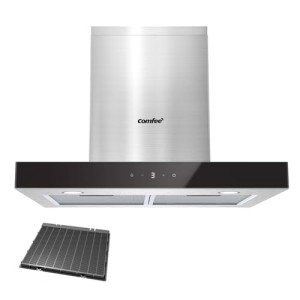
A kitchen hood extractor fan, likewise understood merely as a range hood or Cooker Hood Extractor Fan hood, is a device installed above the cooking area to ventilate and cleanse the air. By removing airborne grease, smoke, steam, and smells, these fans not just boost indoor air quality however also avoid unpleasant biological reactions, such as mold development or remaining scents.
Kinds Of Kitchen Hood Extractor Fans
There are several types of kitchen hood extractor fans, each fit to different kitchen designs and user needs. Below is a comparison that highlights the most typical types:
| Type | Description | Pros | Cons |
|---|---|---|---|
| Wall-Mounted Hoods | Set up against a wall, normally above the stove. | Space-saving; modern visual. | Needs wall space; might limit height. |
| Island Hoods | Suspended from the ceiling above an island cooktop. | Appealing; efficient for open designs. | Setup complexity; more costly. |
| Under-Cabinet Hoods | Installed below kitchen cabinets, straight above the stove. | Less noticeable; blends into design. | Limited ventilation location. |
| Downdraft Hoods | Retractable vents that rise from the countertop. | Discreet; ideal for minimalist styles. | Less efficient suction; greater price. |
| Professional Hoods | Durable designs used in industrial kitchens. | High extraction rates; long lasting. | Noisy; requires considerable setup space. |
Which Type is Right for You?
Picking the right kitchen hood extractor fan depends on several aspects:
- Kitchen Layout: Consider whether your stove is on a wall, island, or integrated into a cabinet.
- Ventilation Needs: Evaluate how much cooking you do. If you often fry or grill foods, a stronger Extractor Fan Hood fan may be essential.
- Looks: Depending on your kitchen style, you might choose a modern appearance or something that blends flawlessly with your kitchen cabinets.
Advantages of Installing a Kitchen Hood Extractor Fan
The setup of a kitchen hood extractor fan offers numerous advantages:
-
Improved Air Quality: By getting rid of toxins, odors, and excess wetness, these fans assist preserve a healthier kitchen environment.
-
Protection of Surfaces: They avoid grease and smoke from settling on cabinets, walls, and counter tops, maintaining the appearance and durability of your kitchen components.
-
Comfortable Cooking: A well-ventilated kitchen keeps the air cooler and more manageable, especially throughout summer season months or when preparing multiple meals.
-
Increased Property Value: Modern kitchens with quality devices include to the appeal and market worth of a home.
-
Compliance with Safety Standards: Proper ventilation lowers the risk of carbon monoxide gas accumulation and fire hazards from grease accumulation.
Setup Considerations
When purchasing a Kitchen Extractor Hoods hood Extractor Hood Kitchen fan, it’s important to consider the installation procedure. Here is a detailed summary:
-
Determine the Right Size: The hood should be wider than the cooking surface area by a minimum of 3 inches on each side.
-
Select Ducted or Ductless: Ducted hoods vent air outside, while ductless hoods filter air and recirculate it. Ductless is typically easier to install.
-
Usage Professional Help: Although some may choose for DIY installation, employing an expert can guarantee proper setup and compliance with building codes.
-
Select the Right Height: Install wall-mounted hoods 24-30 inches above the cooking surface; island hoods ought to be 30-36 inches above.
FAQ about Kitchen Hood Extractor Fans
Q1: How do I clean my kitchen hood extractor fan?A: Regular cleansing is important for maintaining performance. Detach the hood, eliminate filters, and clean them using soap and warm water or a degreaser. Clean the exterior with moderate cleaning agent. Q2: How typically must I run my kitchen
hood extractor fan?A: It is suggested to run the fan while cooking and for an additional 10-15 minutes later to get rid of residual smells and wetness. Q3: What is the perfect CFM(Cubic Feet per Minute)for a kitchen Hood Cooker?A: CFMs
depend upon the cooking activity. A general rule is 100 CFM for each direct foot of cooking surface. Heavy cooking might require 300 CFM or greater. Q4: Can I install a kitchen hood myself?A: While DIY setup is possible, speaking with a specialist can make sure
compliance with security guidelines and expert-level setup. Q5: Are kitchen hood extractor fans noisy?A: Noise levels differ by model. Higher-end models often feature noise-reducing features. Think about looking at the sones
rating when picking a fan. Purchasing a kitchen hood extractor fan is a clever option for anybody looking to improve their cooking experience while improving air quality and aesthetics. By comprehending the various types,
advantages, and installation considerations, homeowners can make informed choices that align with their specific requirements. Whether cooking for household or hosting friends, a well-ventilated kitchen is key to keeping the culinary experience satisfying and satisfying.