

Cooker Hood Extractor
Add a review FollowOverview
-
Sectors Government
-
Posted Jobs 0
-
Viewed 12
Company Description
See What Cooker Extraction Hoods Tricks The Celebs Are Using
The Importance of Cooker Extraction Hoods: A Comprehensive Guide
In modern kitchens, the central role of a cooker extraction hood can not be overstated. As cooking strategies advance and kitchen style evolves, these devices have become important in preserving a clean and safe cooking environment. Cooker extraction hoods, typically called range hoods or kitchen hoods, serve several functions, from expelling smoke and odors to improving air quality. This blog post aims to notify readers about numerous elements of cooker extraction hoods, including their types, performances, benefits, and upkeep suggestions.
What is a Cooker Extraction Hood?
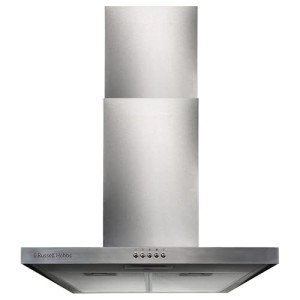
A Extractor Cooker Hood extraction hood is a mechanical device set up above cooktops or varieties created to draw out smoke, fumes, heat, and odor created throughout cooking. These hoods can either be ducted, venting the air exterior, or ductless, filtering and recirculating the air back into the kitchen.
Why Are Cooker Extraction Hoods Important?
- Air Quality: They assist in maintaining great air quality by getting rid of cooking contaminants.
- Odor Control: They eliminate undesirable odors that might remain after cooking.
- Moisture Reduction: They reduce humidity levels in the kitchen, preventing mold growth.
- Safety: They minimize the danger of fire brought on by grease accumulation.
- Comfort: They improve the cooking experience by enabling users to work in an enjoyable atmosphere.
Types of Cooker Extraction Hoods
Selecting the right cooker extraction hood depends upon a variety of elements, including kitchen size, cooking habits, and individual preferences. Here are the main types:
| Type | Description | Best for |
|---|---|---|
| Wall-Mounted | Installed versus a kitchen wall, often above the range. | Standard kitchens |
| Under-Cabinet | Installed below kitchen cabinets, conserving area. | Smaller kitchens |
| Island Hoods | Set up above kitchen islands and normally suspended. | Open-concept kitchens |
| Downdraft Hoods | Retractable hoods that pop up from the counter when needed. | Stylish kitchens |
| Professional Hoods | Sturdy hoods created for extensive cooking. | Gourmet kitchens |
| Ductless or Recirculating | Filters air and recirculates it back into the kitchen. | Residences doing not have ductwork |
Functions to Consider
When selecting a cooker extraction hood, consider the following functions:
-
CFM Rating: Higher Cubic Feet per Minute (CFM) scores indicate more powerful air flow. A CFM of 300-600 is generally sufficient for most home kitchens, while professional designs may exceed 900 CFM.
-
Sound Levels: Measured in sones, quieter hoods are around 1-3 sones. Think about the noise level based on your cooking habits.
-
Fan Speed: Multiple speed settings allow users higher flexibility based on cooking requirements.
-
Lighting: Integrated lighting can improve the cooking experience while offering presence over your cooktop.
-
Filters: Aluminum mesh or baffle filters are effective for grease and odor removal. Some hoods likewise include charcoal filters for ductless alternatives.
Benefits of Cooker Extraction Hoods
Here’s a list of benefits connected with having a cooker extraction hood:
- Enhanced air quality
- Reduction in cooking smells
- Decreased humidity levels
- Reduction of grease accumulation
- Improved security
- Increase in kitchen looks
- Added residential or commercial property value
Installation and Maintenance
Installation Process
The setup of cooker extraction hoods might need expert help, particularly for ducted models. Here are some general actions:
- Measure the Kitchen: Ensure the appropriate size of the hood for your cooktop.
- Select the Location: Ideally, the hood must be positioned 20-30 inches above the cooking surface area.
- Ducting (if suitable): Plan the ducting route for ideal air flow outside the home.
- Secure the Hood: Follow the maker’s guidelines for secure mounting.
- Link Power: Ensure electrical connections abide by local codes.
Upkeep Tips
- Regular Cleaning: Clean filters monthly to avoid grease accumulation.
- Replace Filters: Change charcoal filters according to the manufacturer’s suggestions.
- Inspect Ducts: Ensure ducts are clear and devoid of blockages to keep air flow.
- Check Lights: Replace bulbs as required to make sure adequate lighting throughout cooking.
Regularly Asked Questions (FAQ)
1. How often should I clean my cooker extraction hood?
It is recommended to clean up the filters of your cooker extraction hood a minimum of once a month.
2. Can I set up a cooker extraction hood myself?
While it is possible to install it yourself, particularly if it’s a ductless design, employing a professional is suggested for ducted hoods to guarantee safety and compliance with local building regulations.
3. What is the perfect CFM rating for a home kitchen?
A CFM in between 300 and 600 is typically sufficient for the majority of home kitchens; nevertheless, you might require a higher score for professional cooking styles.
4. Are ductless hoods as reliable as ducted hoods?
Ducted hoods are normally more effective at removing heat, smoke, and odors, as they vent air outside. Ductless hoods can be reliable however require regular filter changes and may not eliminate heat also.
5. For how long will my cooker extraction hood last?
With correct upkeep, a quality cooker extraction Extractor Hood can last 10-15 years.
In conclusion, cooker extraction hoods are a necessary addition to any Kitchen Hood, providing benefits that enhance both the cooking experience and total air quality. With numerous types readily available, customized functions, and constant upkeep, house owners can pick the ideal hood to satisfy their cooking needs while promoting a healthier home environment.