

Fascia And Soffit Repair
Add a review FollowOverview
-
Sectors Advertising
-
Posted Jobs 0
-
Viewed 3
Company Description
The Ultimate Glossary For Terms Related To Fascia And Soffit
Understanding Fascia and Soffit: An Essential Guide for Homeowners
When it comes to home building and maintenance, fascias and soffits play an essential role in both aesthetic appeals and functionality. While lots of house owners might not right away recognize these parts, they are important for securing the roofing system and enhancing the total architectural appeal of a house. In this article, we will delve into the specifics of fascia and soffit, their value, types available, picking the ideal materials, and often asked questions that property owners may have about these essential functions.
What are Fascias and Soffits?
Fascia And Soffit Installation and soffit are particular architectural elements situated at the edges of your home and roofing.
-
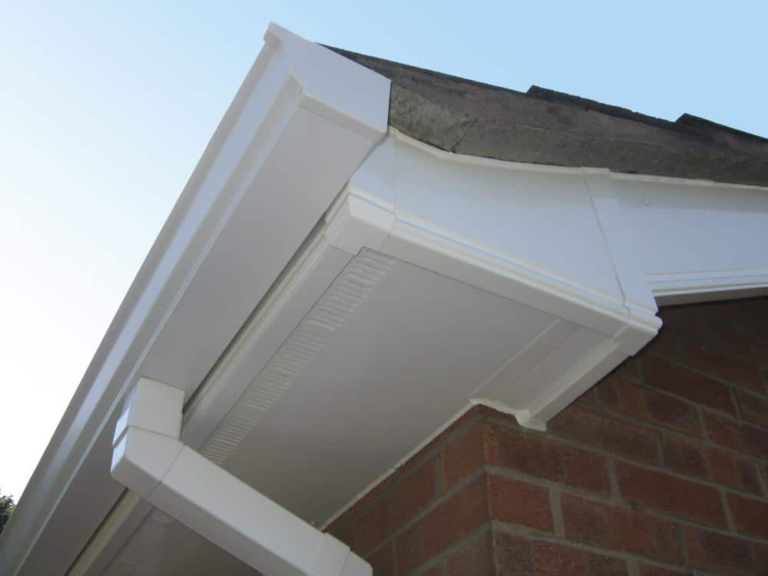
Fascia is the vertical board that runs along the roofline, offering an ending up edge and holding the gutter system. It’s the part of the roof that gives your home its last touch and can be seen from the street.
-
Soffit is the horizontal board that runs underneath the fascia, covering the eaves and helping to ventilate your attic area.
Both elements are crucial for different factors, including weather defense, visual appeal, and ventilation.
The Importance of Fascia and Soffit
Fascia and soffit serve several essential functions that are beneficial to house owners:
| Benefits | Details |
|---|---|
| Protection from Weather | Both the fascia and soffit help protect your home from rain, snow, and wind damage. |
| Pest Prevention | An adequately set up soffit can help prevent insects from entering your attic. |
| Visual Value | Available in numerous styles and colors, both parts enhance the curb appeal of your home. |
| Ventilation | The soffit supplies essential ventilation for the attic, helping to keep your home’s temperature level managed. |
| Support for Gutters | Fascia functions as a support structure for gutters, avoiding sagging and detachment. |
Types of Materials for Fascia and Soffit
When thinking about the installation or replacement of Fascia Replacement and soffit, property owners have different material choices to select from. Each type has its pros and cons.
| Product | Pros | Cons |
|---|---|---|
| Vinyl | Durable, low maintenance | Can fade over time |
| Wood | Visual appeal, strong | Requires routine maintenance |
| Aluminum | Rust-resistant, lightweight | Can dent or scratch quickly |
| Fiber Cement | Really long lasting, fireproof | Heavier and more costly |
| PVC | Highly resilient, low maintenance | Minimal color alternatives |
Selecting the Right Fascia and Soffit for Your Home
When selecting the right fascia and soffit for your home, consider the list below factors:
-
Climate: Your regional weather conditions can affect your option. For instance, areas with high humidity might take advantage of PVC or vinyl.
-
Visual appeals: Choose colors and styles that complement your home’s architecture.
-
Budget: Different materials featured varied cost points; prioritize quality to make a long-lasting financial investment.
-
Maintenance: Some materials require more maintenance. If you prefer to minimize maintenance, consider vinyl or aluminum.
-
Installation: Consult with professionals for correct installation, making sure sufficient ventilation and security.
Installation and Maintenance Tips
Correct installation and maintenance are vital for the performance of fascia and soffit. Here are some suggestions to consider:
Installation Tips:
- Ensure a secure accessory to avoid sagging.
- Pay special attention to corners and seams, as these are likely to be vulnerable to water intrusion.
- Leave a little space in between the material and the roofline for ventilation.
Maintenance Tips:
- Inspect routinely for signs of wear, damage, or insects.
- Tidy rain gutters to prevent overflow, which can harm the fascia.
- Avoid painting Wooden Fascias products, as it requires frequent touch-ups.
Frequently asked question Section
Q1: How often should fascia and soffit be inspected?A1: It is a good idea to checkfascias and soffits a minimum of when a year, particularly in the fall after leaves have fallen, and before winter season. Q2: What are the indications that my fascia or soffit requirements
replacement?A2: Look for indications of rot, peeling paint, drooping, or holes showing pest invasion. Q3: Can I install fascia and soffit myself, or must I hire a professional?A3: While DIY installation
is possible, particularly for experienced individuals, working with a professional ensures that it satisfies local code standards and carries out correctly. Q4: Are there energy-efficient options for soffits?A4: Yes, some materials are created to enhance the general energy performance of a home by enhancing attic ventilation. Q5: What is the difference in between eaves and soffits?A5: The eaves describe the overhanging edges of a roofing, while soffits are specifically the underside of those eaves. Understanding the function and value of fascia and
soffit is essential for property owners to preserve the longevity and aestheticappeal of their homes. Choosing the best materials, making sure correct installation, and undertaking regular maintenance
can substantially boost your home’s efficiency and curb appeal. By taking the time to purchase these often-overlooked elements, homeowners can protect their financial investment and delight in the appeal of their residential or commercial property for years to come. For any remodellings or installations connected to fascia and soffit, consulting market professionals can offer insights that may conserve you time and money in the long run. And remember, maintaining these features not only enhances your home’s look however also fortifies its defenses against the aspects.