

Fridges & Freezers
Add a review FollowOverview
-
Sectors Human Resource
-
Posted Jobs 0
-
Viewed 7
Company Description
20 Questions You Should Always ASK ABOUT Fridge UK Before You Buy Fridge UK
The Ultimate Guide to Choosing a Refrigerator in the UK
When it concerns household devices, the buy Fridge uk stands apart as one of the most vital. In the UK, where kitchen space can be both a high-end and a constraint, selecting the right fridge needs a mix of performance, design, and energy effectiveness. This guide will help you navigate the variety of choices readily available in the UK market, offering important insights into features, types, sizes, and energy scores.
Understanding the Basics: Types of Refrigerators
1. Leading Freezer Refrigerators
This is the conventional design where the freezer compartment is situated above the fridge section. It’s a popular option due to its affordability and functionality.
Pros:
- Cost-effective
- Easy access to typically utilized items
- More energy-efficient
Cons:
- Requires flexing to access the fridge section
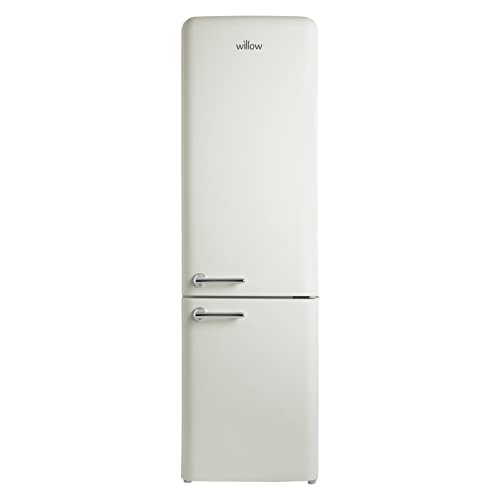
2. Bottom Freezer Refrigerators
In this type, the freezer lies at the bottom, making it easier to gain access to fresh food without flexing.
Pros:
- Easier access to fresh food
- More convenient for frequently used products
Cons:
- Typically more pricey
- Freezer area might be restricted
3. Side-by-Side Refrigerators
These include the fridge freezer deals on one side and the freezer on the other. They use adequate storage and modern-day features.
Pros:
- Easier to keep taller products like bottles
- Permits fast access to both fridge and freezer
Cons:
- Requires more kitchen space
- Possibly greater energy intake
4. French Door Refrigerators
This modern-day style integrates a bottom freezer with double doors for the fridge freezer area, providing a stylish look and ample storage.
Pros:
- Elegant design
- Large storage capacity
Cons:
- Often more expensive
- Can use up considerably more space
5. Compact Refrigerators
Perfect for small areas like trainee halls or offices, compact refrigerators offer standard refrigeration needs without using up much space.
Pros:
- Space-saving
- More economical
Cons:
- Limited storage capacity
- Fewer functions
Key Features to Consider
When choosing a fridge, it’s important to look beyond simply the type and consider the features that will best fit your requirements.
Energy Efficiency
Among the most important aspects to think about is energy usage. Refrigerators are ranked on an energy performance scale from A+++ to D. Opting for an A+++ model can substantially reduce electricity costs.
Size and Capacity
Refrigerators come in different sizes, from compact models to big family sizes. Consider your cooking area area and the quantity of food you normally save. Here’s a quick summary of basic sizes:
| Type of Fridge | Width (cm) | Height (cm) | Capacity (Litres) |
|---|---|---|---|
| Compact | 55-60 | 85-90 | 100-150 |
| Top Freezer | 60-70 | 170-180 | 250-350 |
| Bottom Freezer | 60-70 | 170-180 | 250-350 |
| Side-by-Side | 90-100 | 170-190 | 500-600 |
| French Door | 90-100 | 180-200 | 500-700 |
Cooling Technology
Think about the cooling technology utilized in the fridge. Frost-free designs avoid ice buildup, saving you the hassle of manual defrosting.
Additional Features
- Water and Ice Dispenser: Convenient for households who take pleasure in chilled water and ice.
- Smart Technology: Wi-Fi connectivity can permit smart management of contents.
- Temperature Level Control Zones: Some designs provide adjustable zones for optimum food preservation.
Price Ranges in the UK Market
The rate of fridges in the UK varies commonly based on functions and type. Here’s a standard breakdown:
| Type of Fridge | Price Range (GBP) |
|---|---|
| Compact | ₤ 100 – ₤ 300 |
| Top Freezer | ₤ 300 – ₤ 600 |
| Bottom Freezer | ₤ 500 – ₤ 800 |
| Side-by-Side | ₤ 800 – ₤ 1500 |
| French Door | ₤ 1000 – ₤ 2000 |
Frequently asked questions About Refrigerators in the UK
1. What is the finest energy rating for a fridge?
The very best energy score is A++ or A+++. These designs are more effective and will conserve you money in the long run.
2. How typically should I defrost my fridge?
If you have a frost-free design, you will not require to thaw it. However, if you have a manual defrost fridge, it needs to be done a minimum of as soon as a year or when ice build-up surpasses 1/4 inch.
3. What size fridge do I need?
The size depends upon your family requires. Usually, a household of 4 might need about 500-600 liters of capacity.
4. Are clever fridges worth the investment?
Smart fridges can be useful for busy families and tech-savvy users, providing benefit and food management features. However, they come at a higher price point.
5. When should I replace my fridge?
If your fridge is over 10 years old, consuming extreme energy, or stopping working to keep food at the appropriate temperature, it might be time for a replacement.
Choosing the ideal refrigerator in the UK is more than simply selecting a design that fits your kitchen area design. It requires cautious consideration of your home needs, budget, and energy effectiveness. With a myriad of styles, features, and price points offered, the best fridge freezers uk fridge can boost your cooking area experience and add to sustainability through energy savings. Remember to review the key functions and FAQs to make an informed decision, ensuring that your fridge not only meets your existing requirements however likewise stands the test of time in performance and style.