

Integrated Electric Ovens
Add a review FollowOverview
-
Sectors Education
-
Posted Jobs 0
-
Viewed 14
Company Description
Cooker Integrated Isn’t As Difficult As You Think

The Rise of Integrated Cookers: A Comprehensive Guide
In the quickly evolving world of kitchen innovation, integrated cookers have ended up being progressively popular amongst house owners and chefs alike. These multifunctional appliances perfectly mix into kitchen cabinetry, providing both functionality and aesthetic appeal. This short article explores the benefits of integrated cookers, their types, installation considerations, and more.
What is an Integrated Cooker?
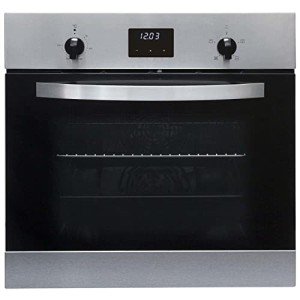
An integrated cooker is a built-in kitchen home appliance created to fit within a modular kitchen layout, using a tidy and cohesive look. Unlike standalone cookers, integrated cookers inhabit less space and often featured extra features that can boost the culinary experience.
Advantages of Integrated Cookers
- Area Efficiency: Integrated cookers are designed to fit snugly into cabinetry, conserving valuable flooring space in kitchen areas.
- Aesthetic Appeal: With smooth styles that match other kitchen appliances, they contribute to a streamlined and contemporary appearance.
- Adaptability: Many integrated cookers come equipped with different cooking functions such as baking, barbecuing, and steaming, providing more choices for meal preparation.
- Enhanced Features: Integrated cookers typically include sophisticated innovations, such as wise thermostats and self-cleaning choices, improving usability and convenience.
- Safety Enhancements: Many models come with features such as kid locks and automatic shutoff systems, making them much safer for household usage.
Types of Integrated Cookers
There is a broad range of integrated cookers available, each customized to specific cooking styles and choices:
1. Integrated Ovens
- Traditional Ovens: Regular ovens that supply constant heating suitable for baking and roasting.
- Convection Ovens: These use fans to flow hot air, cooking food more equally and quickly.
- Steam Ovens: Utilize steam technology to keep wetness and vitamins in food while cooking.
2. Integrated Induction Hobs
- Induction Cooktops: Provide fast and effective cooking by utilizing electro-magnetic fields to heat pots and pans straight.
- Ceramic Hobs: Featuring a smooth glass surface, they warm up rapidly and use simple cleaning.
3. Integrated Microwaves
- Built-in Microwaves: These can be installed into cabinets and often featured sophisticated features like barbecuing and steaming choices.
Essential Considerations for Installation
When choosing an integrated cooker, specific installation factors to consider need to be considered to ensure optimal performance and safety.
- Area Requirements: Measure the readily available space in the kitchen to choose the best size of the cooker.
- Ventilation Needs: Proper ventilation is vital, specifically for gas cookers, to avoid the accumulation of damaging gases.
- Electric Supply: Ensure that the home’s electrical system can manage the power requirements of the brand-new integrated device.
Installation Steps
- Preparation: Sketch out the kitchen layout, including the wanted space for the integrated cooker.
- Measurement: Accurately determine the measurements to guarantee appropriate fit.
- Preparation: Prepare the surrounding cabinetry and electrical connections based on the manufacturer’s standards.
- Installation: Follow the producer’s setup directions or hire an expert for a seamless setup.
Maintenance of Integrated Cookers
Routine Cleaning
- Wipe Surfaces: Utilize a wet cloth to routinely clean down surface areas to avoid buildup.
- Deep Clean: Conduct a deep clean using appropriate appliances cleaners frequently.
Regular Checks
- Check Seals: Check the door seals to ensure they are undamaged to preserve cooking efficiency.
- Test Functions: Regularly test all cooking functions to ensure they operate properly.
FAQs
What are the advantages of integrated cookers compared to standalone models?
Integrated cookers save area, enhance kitchen visual appeals, and frequently provide sophisticated cooking functions that standalone models may not include.
Can I install an integrated cooker myself?
While some homeowners may be able to install an integrated cooker, it’s recommended to engage an expert to make sure proper setup and adherence to security requirements.
Are integrated cookers more costly than traditional cookers?
Integrated cookers can come at a higher cost point due to their design and advanced functions, but they can provide outstanding value in regards to space-saving and increased performance.
Do integrated cookers need special upkeep?
While they do not need any customized maintenance, keeping them clean and frequently looking for concerns, such as malfunctioning components, is important.
Are all integrated cookers energy-efficient?
Lots of modern integrated cookers are designed to be energy-efficient, utilizing technologies that lower energy consumption while providing effective cooking performance.
Integrated cookers represent an amazing advancement in kitchen technology, integrating functionality with visual appeal. Their versatility and space-saving designs make them a popular choice for modern kitchens. By comprehending the different types available, setup considerations, and maintenance needs, consumers can make educated choices when choosing an integrated cooker that completely fits their cooking lifestyle.
With the continuous developments in kitchen appliances, integrated cookers are likely to remain in high demand, accommodating the evolving requirements of home cooks and expert chefs alike.