

Mobile Ramps
Add a review FollowOverview
-
Sectors Media & Entertainment
-
Posted Jobs 0
-
Viewed 6
Company Description
15 Top Mobility Ramp Bloggers You Should Follow
Understanding Mobility Ramps: Enhancing Accessibility for All
In a world that is making every effort for inclusivity, mobility ramps stand out as an easy yet powerful tool for boosting availability. Designed for individuals who might deal with difficulties due to handicaps, mobility ramps can considerably enhance the quality of life and independence for numerous. This article will check out the types, advantages, policies, and factors to consider surrounding mobility ramps, allowing you to understand their crucial function in promoting equal access to areas.
What are Mobility Ramps?
Mobility ramps tend surface areas that provide a smooth transition for individuals using wheelchairs, walkers, or other mobility help. They connect various levels, such as sidewalks to structures, or lorry floorings to the ground, permitting users to navigate areas that may otherwise be tough or difficult to access.
Types of Mobility Ramps
| Kind of Aluminum Wheelchair Ramp | Description | Use Cases |
|---|---|---|
| Portable Ramps | Lightweight and easily portable, portable ramps can be used in numerous locations. | Home use, occasions, temporary installations |
| Limit Wheelchair Ramps UK | These small ramps are developed to bridge little height differences, such as doorways. | Residential entranceways, thresholds of buildings |
| Modular Ramps | Constructed from prefabricated areas, modular ramps can be customized to fit specific setups. | Long-lasting installations, business applications |
| Permanent Ramps | Built as part of the structure’s architecture, these ramps offer a durable service. | Public structures, schools, health centers |
| Lorry Ramps | Designed for vehicles and vans, these ramps assist in entry into lorries for individuals with mobility obstacles. | Available vehicles for personal use |
Benefits of Mobility Ramps
The execution of mobility ramps brings various advantages, allowing people with different requirements to access various environments without barriers. Here are some noteworthy advantages:
-
Increased Accessibility: Mobility Ramps For Home ramps use better access to public places, ensuring that all individuals, no matter their mobility level, can navigate easily.
-
Enhanced Independence: With the ease of transitioning between levels, users of mobility help get more autonomy in their day-to-day routines, promoting a sense of independence.
-
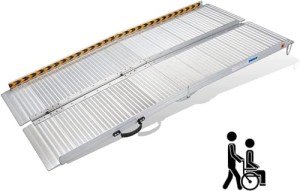
Safety: Ramps minimize the danger of accidents associated with stairs or irregular surfaces, supplying a safer choice for people with minimal mobility.
-
Compliance with Regulations: Many regions have laws that need buildings to be available to individuals with impairments, making mobility ramps necessary for legal compliance.
-
Cost-Effectiveness: Particularly for portable and modular ramps, requiring less long-term building and construction, mobility ramps can be cost-efficient services for improving availability.
Laws and Standards for Mobility Ramps
Building regulations and accessibility laws play a vital function in ensuring that mobility ramps are safe and efficient. Here are a few essential policies to think about:
| Regulation/Standard | Description |
|---|---|
| ADA (Americans with Disabilities Act) | Requires public buildings to be accessible, including specifications for ramps. The ramp slope must generally be 1:12, indicating 1 inch of increase for every single 12 inches of run. |
| International Building Code (IBC) | Provides guidelines to ensure harmony and safety across various jurisdictions. It includes requirements for the width, slope, and landing specifications of mobility ramps. |
| ANSI A117.1 | A standard that describes the technical specs for available style, including ramps, entrances, and bathrooms. |
Key Considerations When Installing Mobility Ramps
Before setting up ramps, there are important elements to remember to guarantee their efficiency and security:
-
Purpose: Define the ramp’s usage (temporary vs. long-term) and where it will be set up.
-
Slope and Length: Adhere to the advised slope ratio (1:12) and calculate the best length. For every single inch of vertical increase, there must be at least 12 inches of horizontal run.
-
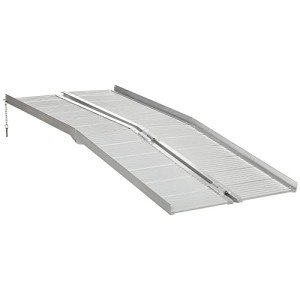
Surface Texture: The Metal Ramp For Wheelchair surface ought to have a non-slip texture, particularly in wet conditions, to avoid mishaps.
-
Width: Ensure the ramp is broad enough to accommodate the mobility device being used, with a minimum suggested width of 36 inches.
-
Landings: Provide sufficient landings at the top and bottom of the ramp for turning or steering, meeting the requirements of ease of access standards.
-
Weather condition Considerations: In areas with severe weather condition, consider designing ramps that are not just functional however also safeguard users from snow and ice accumulation.
Often Asked Questions (FAQs)
Q1: Who can gain from mobility ramps?
A1: Mobility ramps can benefit individuals utilizing wheelchairs, walkers, or other assistive gadgets, as well as parents with strollers and elderly people with mobility challenges.
Q2: Are there grants or financing available to install mobility ramps?
A2: Yes, different local and federal programs might use financial support for people needing mobility adjustments to their homes. Nonprofits and charitable companies typically provide resources or funding as well.
Q3: How do I select the right kind of ramp for my needs?
A3: Consider the location, the degree of incline, the intended use (temporary vs. long-term), and any relevant structure codes to figure out the very best kind of ramp for your particular scenario.
Q4: Can mobility ramps be set up as DIY tasks?
A4: While some portable ramps can be put together with minimal tools, permanent setups are best left to experts to ensure compliance with safety requirements and guidelines.
Q5: What maintenance do mobility ramps require?
A5: Regular look for structural stability, non-slip surface condition, and any debris accumulation are advisable. Tidy the ramps to prevent slips and ensure use.
Mobility ramps are invaluable in creating an available environment for everyone. With a range of alternatives customized for numerous circumstances, the value of these structures can not be overstated. They embody the concepts of inclusivity, security, and independence and function as a testimony to a society devoted to supporting all its members. As we continue striving for a more equitable world, investing in mobility ramps is a step towards breaking down barriers and enhancing access for all.