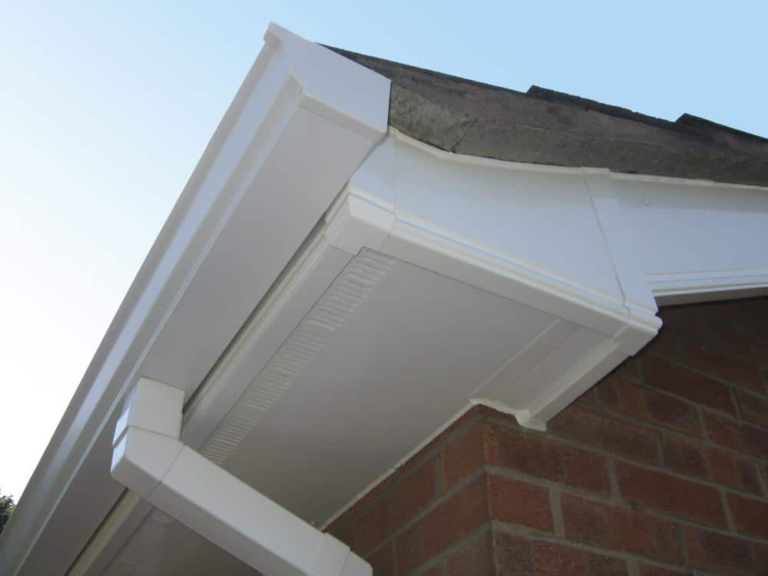
Soffit Installation
Add a review FollowOverview
-
Sectors Entry Level
-
Posted Jobs 0
-
Viewed 3
Company Description
Guide To Upvc Fascias: The Intermediate Guide On Upvc Fascias
Understanding uPVC Fascias: A Comprehensive Guide
When it comes to preserving the integrity and visual appeals of a home, couple of elements are as important as the Fascia And Soffit boards. Frequently ignored, these boards play an essential role in safeguarding your roofing and boosting the overall appearance of your home. Among the most popular materials for fascias today is unplasticized polyvinyl chloride, commonly referred to as uPVC. This post will explore the advantages, types, installation, and maintenance of uPVC fascias, providing a comprehensive understanding of their value in houses.
What are uPVC Fascias?
uPVC fascias are the horizontal boards that are set up at the edge of a roofing system. They act as a barrier in between the roof and the outside environment, protecting the wooden rafters from weather condition damage. Apart from their protective qualities, uPVC fascias also boost the aesthetic appeal of a home, providing a clean and finished look.
Benefits of uPVC Fascias
When picking the right Fascia And Soffit Upgrades material, uPVC stands out due to several crucial advantages. The following table outlines some of these advantages:
| Advantage | Description |
|---|---|
| Durability | uPVC fascias are extremely resistant to rot, decay, and bug damage, making them a perfect long-term solution for roofing needs. |
| Low Maintenance | They do not require regular painting or treatment, saving homeowners time and money in the long run. |
| Visual Variety | Available in different colors and surfaces, uPVC fascias can match any architectural design, from standard to modern. |
| Cost-Effectiveness | Normally less expensive than wood or aluminum options, uPVC fascias supply a balance of cost and quality for house owners on a budget. |
| Alleviate of Installation | Light-weight and uncomplicated to install, using uPVC can lead to faster job completion. |
Types of uPVC Fascias
When picking uPVC fascias, house owners can select from different styles and profiles to match their tastes. The main types include:
- Flat Fascias: The most typical profile, flat fascias serve as a basic and effective solution for securing roofing system edges.
- Ogee Fascias: With a decorative, curved style, ogee fascias add an aspect of sophistication to a home’s exterior.
- Bullnose Fascias: This style includes a rounded edge, offering a softer look that is frequently preferred in traditional architecture.
- Beaded Fascias: These fascias have a distinct bead around the edges, providing a more finished appearance.
Comparison Table: Types of uPVC Fascias
| Type | Description | Ideal For |
|---|---|---|
| Flat Fascias | Easy and efficient | Modern homes |
| Ogee Fascias | Ornamental curved design | Conventional or elaborate homes |
| Bullnose Fascias | Rounded edge for a softer appearance | Traditional styles |
| Beaded Fascias | Unique bead surface | Enhancing visual appeal |
Installation of uPVC Fascias
The installation of uPVC fascias generally includes a few key steps:
-
Preparation: Thoroughly examine the existing fascia, getting rid of any damaged areas. Make sure that the location is tidy and dry before continuing.
-
Measurements: Measure the length of the eaves to determine just how much uPVC Fascia Repair material is required.
-
Cutting: Using a saw, cut the uPVC boards to the correct lengths based upon your measurements.
-
Fitting: Begin fitting the fascias, protecting them to the rafters with screws or brackets according to the maker’s directions.
-
Sealing: Use caulk to seal any gaps in between the Fascia And Gutter Replacement and the roofline, making sure a weather-tight surface.
-
Finishing Touches: Once installed, inspect the fascias for any loose fittings or sealing spaces and make changes as required.
Maintenance of uPVC Fascias
In spite of their low maintenance requirement, uPVC fascias can take advantage of some basic upkeep:
-
Regular Cleaning: To keep their appearance, homeowners must clean uPVC fascias regularly with warm soapy water and a soft cloth.
-
Examine for Damage: Regular evaluations can assist capture any possible issues early, such as fractures or staining.
-
Look for Pests: Keep an eye out for any signs of insect invasions, particularly if the installation is near trees or plants.
Regularly Asked Questions (FAQ)
Q1: What is the life expectancy of uPVC fascias?
A1: uPVC fascias can last upwards of 20 years with correct installation and maintenance. Their resistance to rot and deterioration contributes significantly to their durability.
Q2: Can I paint uPVC fascias?
A2: While it’s not needed to paint uPVC fascias, property owners can do so if they want a various color. Nevertheless, it’s vital to use a UV-resistant paint particularly for plastic products.
Q3: Are uPVC fascias eco-friendly?
A3: uPVC is a recyclable product, that makes it a more environmentally friendly alternative compared to conventional wood. Lots of manufacturers utilize recycled materials in their products.
Q4: How do uPVC fascias compare to wooden fascias?
A4: Compared to wooden fascias, uPVC fascias are more resistant to weather-related damage, require less maintenance, and are normally more cost-effective. Nevertheless, some might choose the natural appearance of wood.
In conclusion, uPVC fascias are an outstanding choice for house owners wanting to protect their roofings while improving their residential or commercial property’s aesthetic appeal. With different styles to select from, very little maintenance requirements, and impressive sturdiness, uPVC fascias provide a useful solution to roof requirements. Investing in uPVC fascias can substantially enhance the longevity of a home’s structure while including worth and charm. As such, it is crucial for homeowners to consider this versatile material for their next roofing task.