

Soffit Repair
Add a review FollowOverview
-
Sectors Communication
-
Posted Jobs 0
-
Viewed 10
Company Description
The 10 Scariest Things About Soffit And Cladding
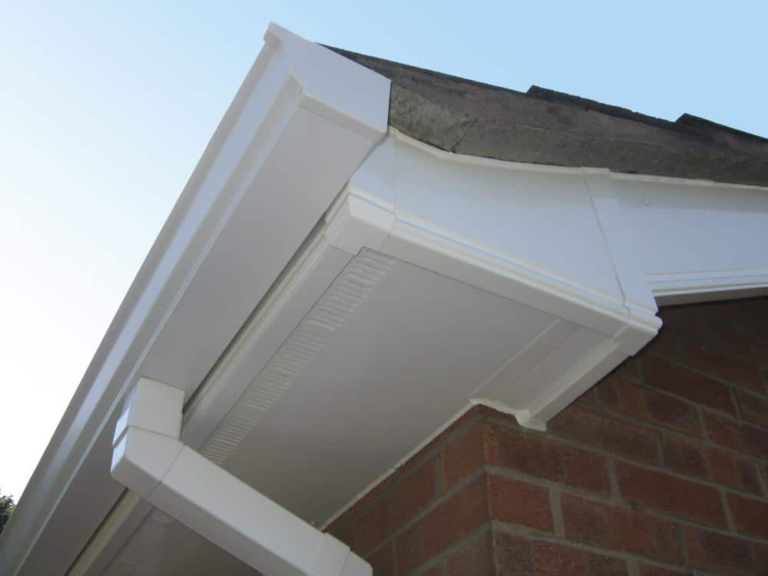
Understanding Soffit and Cladding: A Comprehensive Guide
When it comes to constructing construction and home enhancement, the terms “Soffit Replacement” and “cladding” typically turn up. While they may appear technical and niche, comprehending these components can significantly enhance aesthetic appeals, functionality, and even the longevity of a home or business building. This blog post will look into what soffits and cladding are, their types, functions, installation techniques, and maintenance practices.
What is Soffit?
The soffit is an important architectural element that plays both functional and visual functions. It is the underside of any architectural structure, usually located underneath the eaves of a roofing system. Soffits are primarily used to assist ventilate the attic and protect locations from water damage, bugs, and other environmental factors.
Functions of Soffit
- Ventilation: Soffits enable air flow, helping to prevent wetness build-up in the attic.
- Aesthetic Appeal: Soffits offer a tidy, completed aim to the edges of the roofing system.
- Security: They protect roofing rafters and eaves from pest invasion and environmental damage.
Kinds Of Soffit Materials
| Material Type | Pros | Cons |
|---|---|---|
| Vinyl | Lightweight, low maintenance, affordable | Can end up being fragile gradually |
| Aluminum | Resilient, resistant to rust and fading | Higher initial cost |
| Wood | Visual appeal, adjustable | Needs regular maintenance and painting |
| Fiber Cement | Fire resistant, long lasting | Much heavier and more expensive |
What is Cladding?
Cladding refers to the application of one product over another to offer a skin or layer, which serves to safeguard the structure and boost its visual appeal. This can be used to the outside walls as well as interiors. Cladding can also help insulate structures, Fascia Repair prevent wetness intrusion, and minimize heat loss.
Functions of Cladding
- Security: Cladding protects the underlying structure from weather condition elements.
- Energy Efficiency: Adequate cladding can improve energy efficiency through better insulation.
- Visual Variety: Cladding offers a vast array of styles and finishes.
Kinds Of Cladding Materials
| Material Type | Pros | Cons |
|---|---|---|
| Vinyl | Affordable, low maintenance | Minimal insulation properties |
| Wood | Natural appearance, insulation benefits | Prone to rot and insects |
| Brick | Strong, long lasting, fireproof | Pricey and heavy |
| Metal | Modern appearance, low maintenance | Can be prone to denting |
| Fiber Cement | Fireproof, long-lasting | Needs knowledgeable installation |
| Stone | Long-lasting, aesthetic appeal | Much heavier and more expensive |
Installation Methods
How to Install Soffit
- Preparation: Ensure the location is clean and free from particles.
- Cutting the Panels: Measure and cut the soffit panels according to the requirements.
- Hanging the Panels: Attach the panels starting from one side of the structure to the other.
- Protecting the Panels: Use screws or nails to protect the panels in place.
- Ending up Touches: Install the Fascia Replacement boards and caulk any gaps for a tidy surface.
How to Install Cladding
- Framework Setup: Build a structure that will support the cladding.
- Moisture Barrier: Install a moisture barrier to avoid water intrusion.
- Attaching Cladding: Begin at the bottom and work your way up, protecting each panel as you go.
- Seal Joints: Ensure that all joints are sealed correctly to avoid air and wetness leaks.
- Ending up: Add trim or moldings where essential for a polished appearance.
Maintenance Tips
Both soffits and cladding need regular maintenance to guarantee durability. Here are some maintenance pointers:
Soffit Maintenance
- Regular Inspections: Check for signs of damage, staining, or insect invasions.
- Cleaning: Use a mild cleaning agent and water to clean vinyl soffits. For wood, make sure to eliminate any mold or mildew.
- Ventilation Checks: Ensure that vents are devoid of obstruction.
Cladding Maintenance
- Routine Cleaning: Depending on the product, wash cladding regularly to avoid dirt accumulation.
- Inspect for Damage: Look for cracks, warping, or detachment and repair them quickly.
- Paint and Seal: For wood and some other materials, routine painting and sealing can extend life.
Frequently asked questions
What is the difference in between soffit and cladding?
Soffit refers to the underside of an architectural structure, usually beneath the eaves, while cladding is an external layer applied to walls for protection and looks.
Can soffits be installed without cladding?
Yes, soffits can be installed separately, as their main function is connected to roof eaves and ventilation.
How often should soffits and cladding be inspected?
It is recommended to examine soffits and cladding a minimum of when a year or after serious weather events.
Is it required to paint soffits?
If the soffits are made from wood, yes, regular painting is advised to safeguard against wetness and pests. Vinyl and aluminum typically do not require painting.
What materials are best for energy efficiency?
Fiber cement and insulated vinyl cladding offer great energy effectiveness options, helping to preserve indoor temperatures.
Comprehending the roles, types, and maintenance of soffit and cladding can empower property owners and home builders to make informed choices. Buying quality products and regular maintenance can prolong the life of these architectural parts, improving both the building’s visual appeal and its practical efficiency. By focusing on Soffit And Cladding (https://pad.geolab.space), one can make sure a resilient, attractive, and energy-efficient structure for many years to come.